
Rapid Microbial Testing
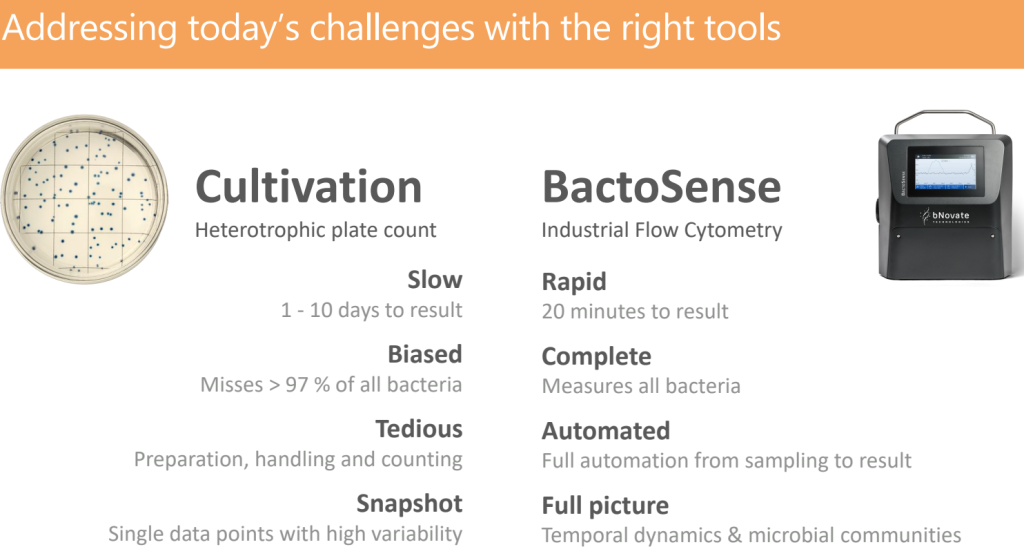
Book a test with us for rapid microbial test by Flow Cytometry (FCM) measuring principle enabling near real-time assessment of microbial activity in water systems. Testing can be conducted on-site or by sending water samples to us.
Key Benefits:
- Rapid results within 20–25 minutes per sample (HPC required 2-3 days)
- Detection of microbial fluctuations in real time
- Structured test report delivered shortly after
- Detection of both culturable and non-culturable microorganisms
What Our Service Includes:
Site Assessment & Sampling Strategy
- Identification of critical control points (CCPs)
- Raw, treated, and distribution system sampling
- Process efficiency validation during commissioning
- Pre- and post-disinfection (UV or Chlorine) validation
- Filter (Membrane or Sand) and sedimentation performance verification
- Cooling tower and process (PW or WFI) water monitoring
- Microbial trend interpretation
- Detect early signs of regrowth or biofilm formation
- Optimise chlorine dosing and avoid systemic over-dosing
- CIP system validation
- Strengthened Legionella risk management framework
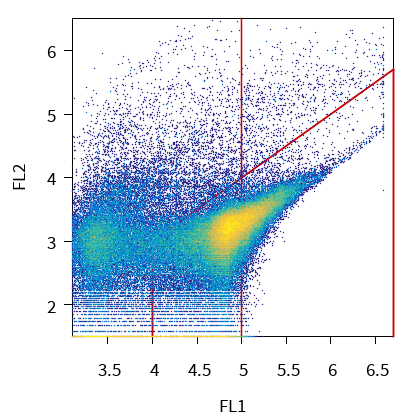
Raw Water
TCC: 1,088,920 cells/mL
HNAP: 29.04%
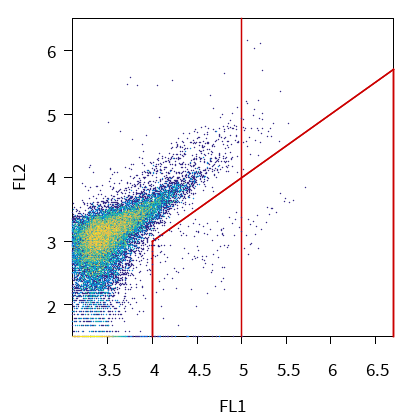
Settled-Water (Pre-Chlorination)
TCC: 1,860 cells/mL
HNAP: 16.13%
Validation of Treatment Train Efficiency
Thermodynamic Pump Performance Test at Site
We provide a cost-efficient, accurate (<1% efficiency uncertainty – Proven & Verified) method to measure in-situ pump performance by measuring suction/discharge temperature rise, pressure, and power consumption. It is ideal for field testing where flow meters are absent, as it determines flow rate, efficiency, and head without disrupting the system.
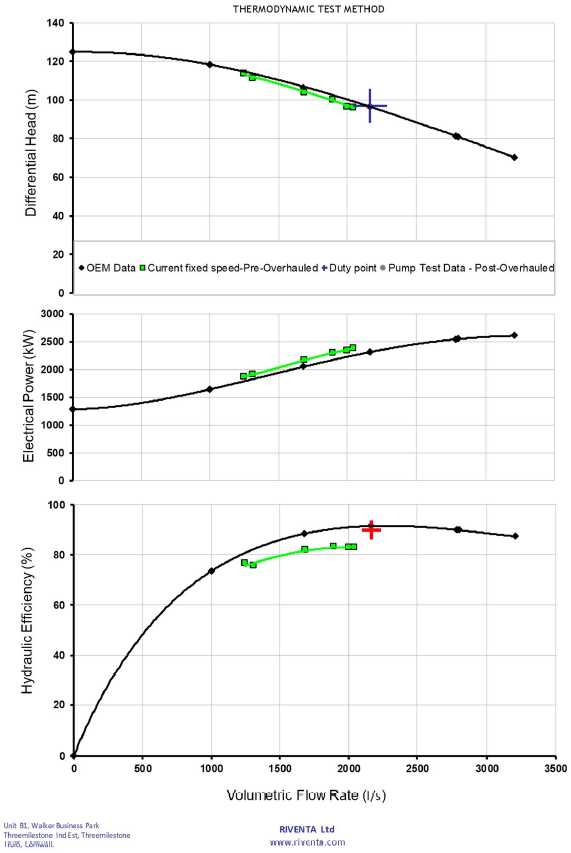
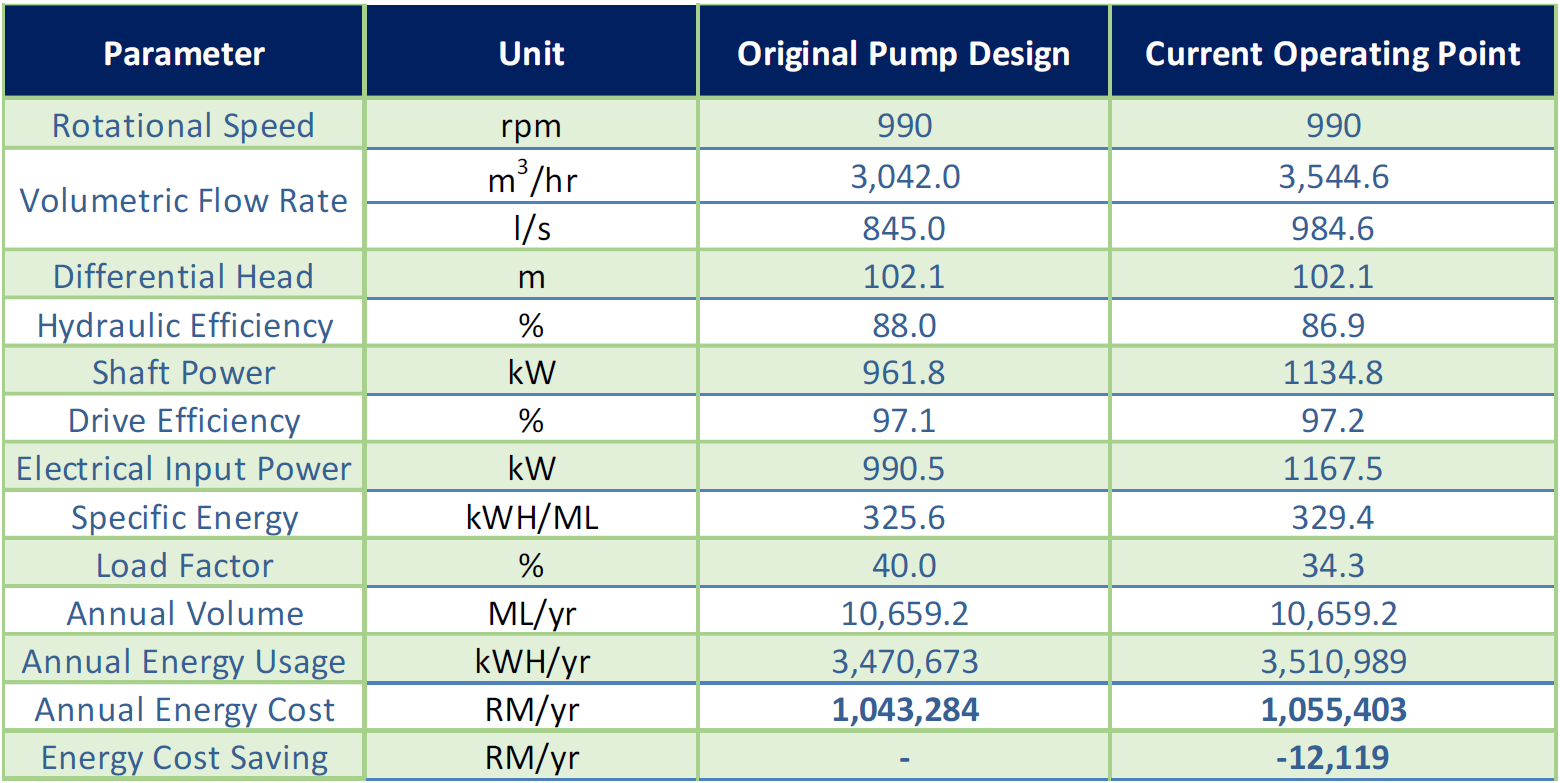
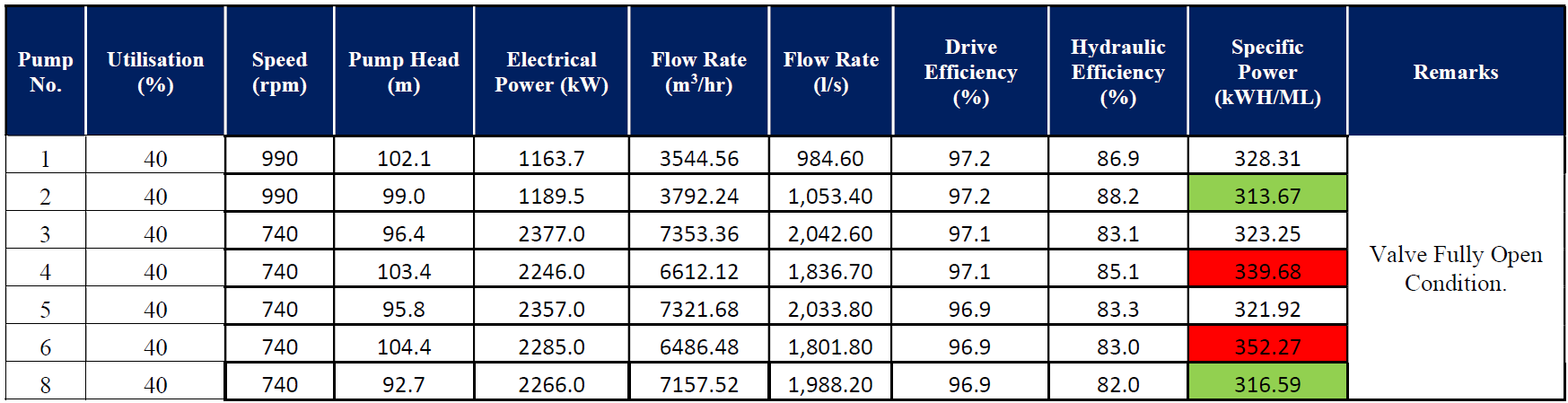
Thermodynamic System Curve Visualisation
A temporary, real-time pump performance monitoring system designed to optimize the efficiency of pumping stations by providing detailed, live data on how pumps operate within their specific system curves. Mapping the relationship between head and flow to understand how the pump behaves in the actual system. It helps determine if the pump is operating as intended, or if system characteristics have changed. This is extremely important for the upgrading of the existing pumping station by either optimising pump impeller diameters with minimal cost (without pump and motor replacement, but with increased efficiency and capacity) or renewal of the pump which has the designed duty point at the Best Efficiency Point (BEP) and within the “Preferred Operating Range” (POR). Typically, a period of 2-week continuous data logging is required for 4 pumps System and 4-week for more than 4 pumps System.
Condition Based Monitoring on Electrical System
Condition-based monitoring (CBM) for electrical systems uses real-time, sensor-driven data to evaluate equipment health, predicting failures before they occur. CBM enables proactive maintenance, reducing unplanned downtime and optimizing, rather than rigidly scheduling, maintenance activities. Key Techniques for the CBM:
1. Thermal (Infrared, Ultraviolet)
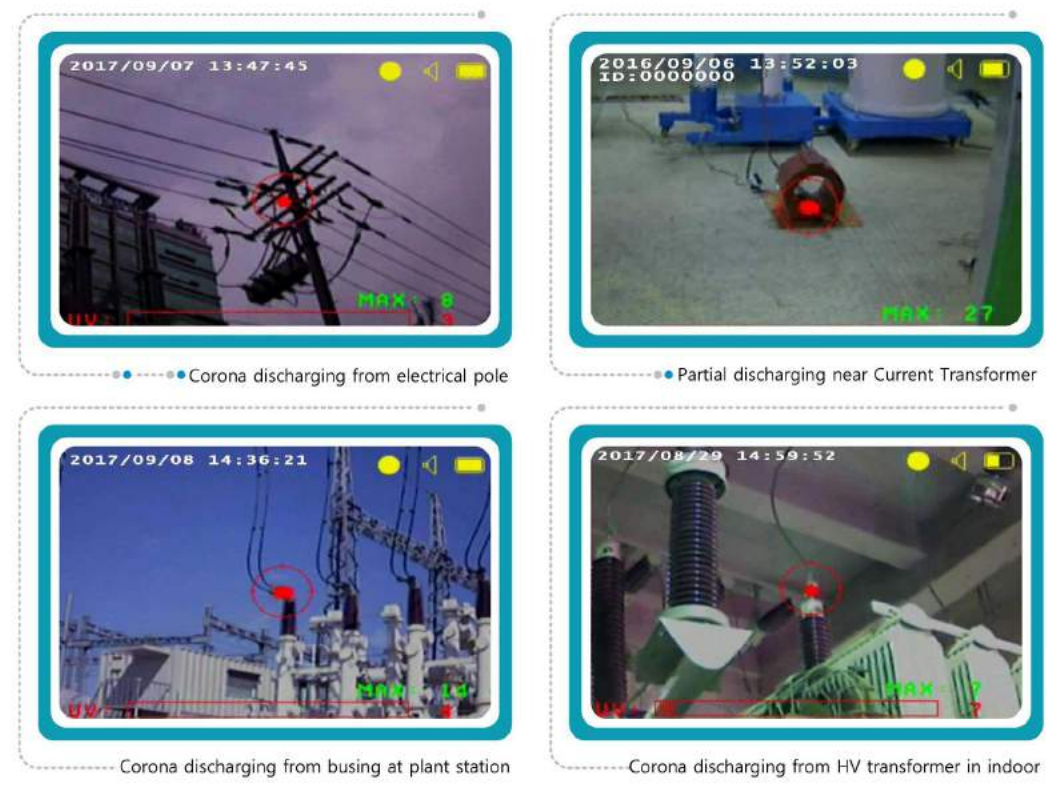
Detection Screen of UV Camera Corotek-V200
2. Sound Visualization (Acoustic Video Image)
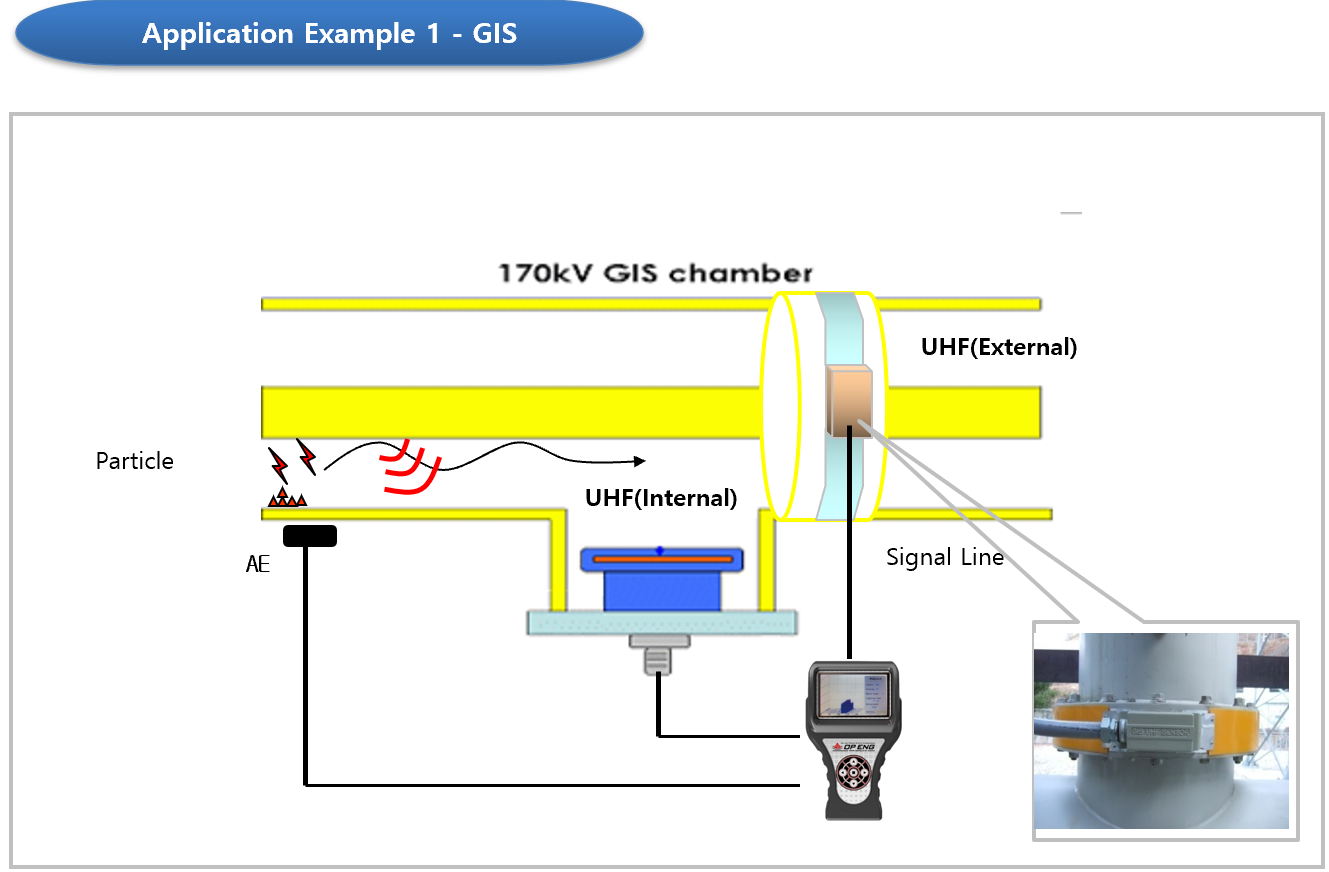
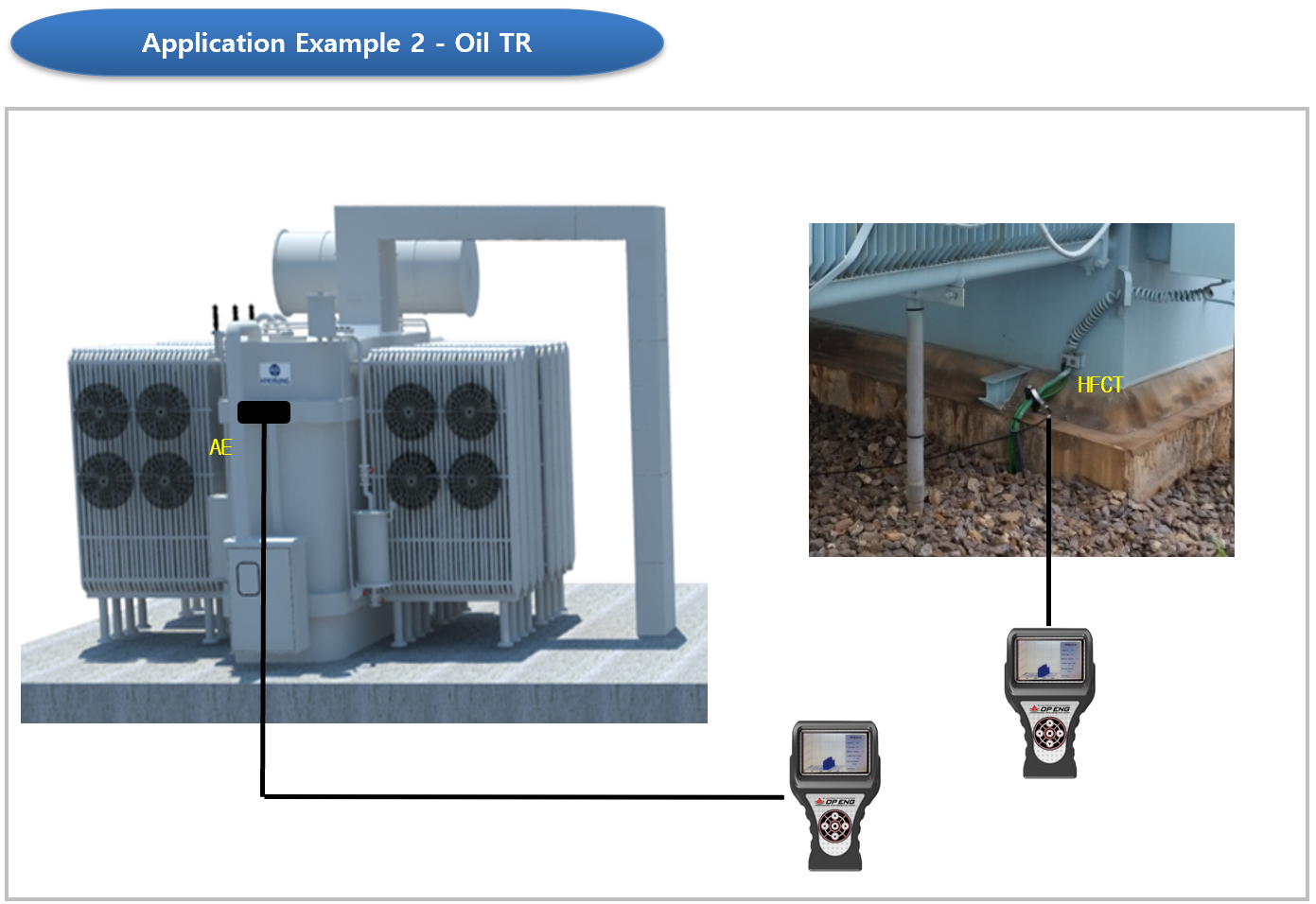
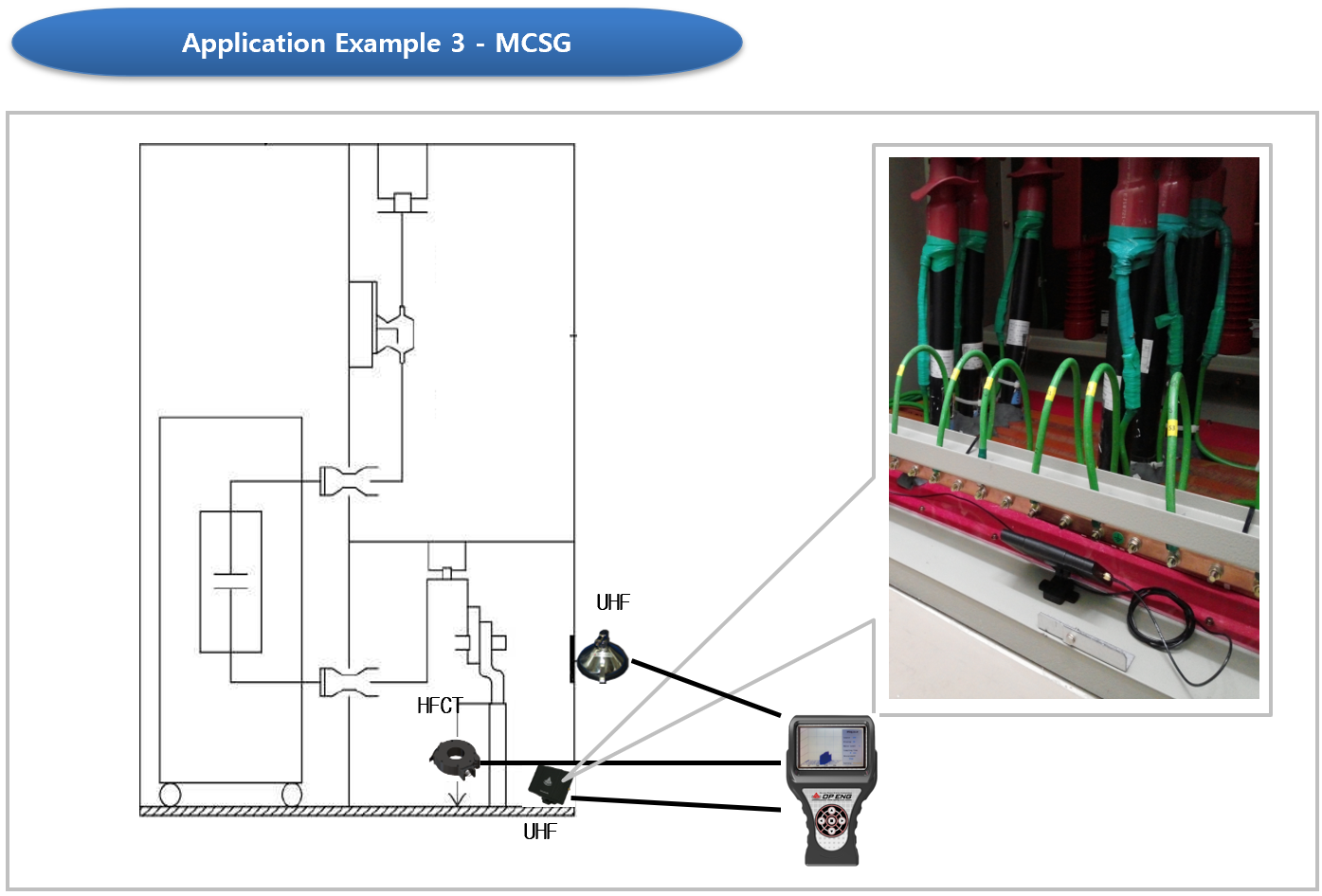
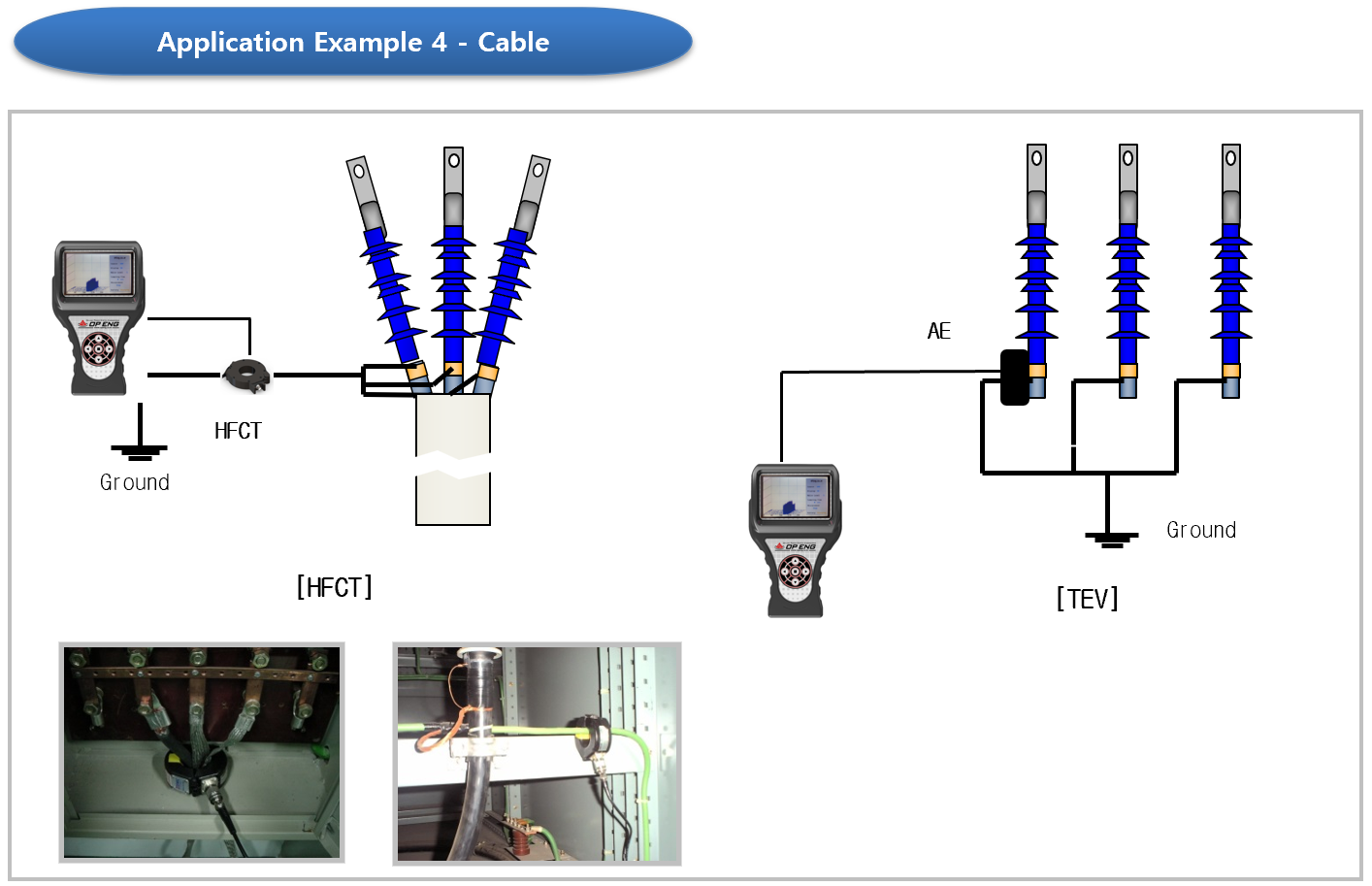
3. Partial Discharge (Principle of Electromagnetic – UHF)
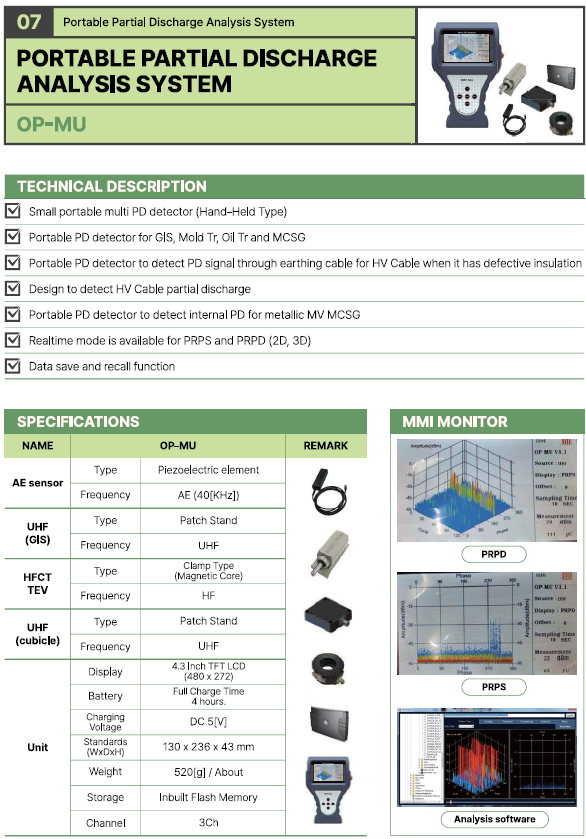
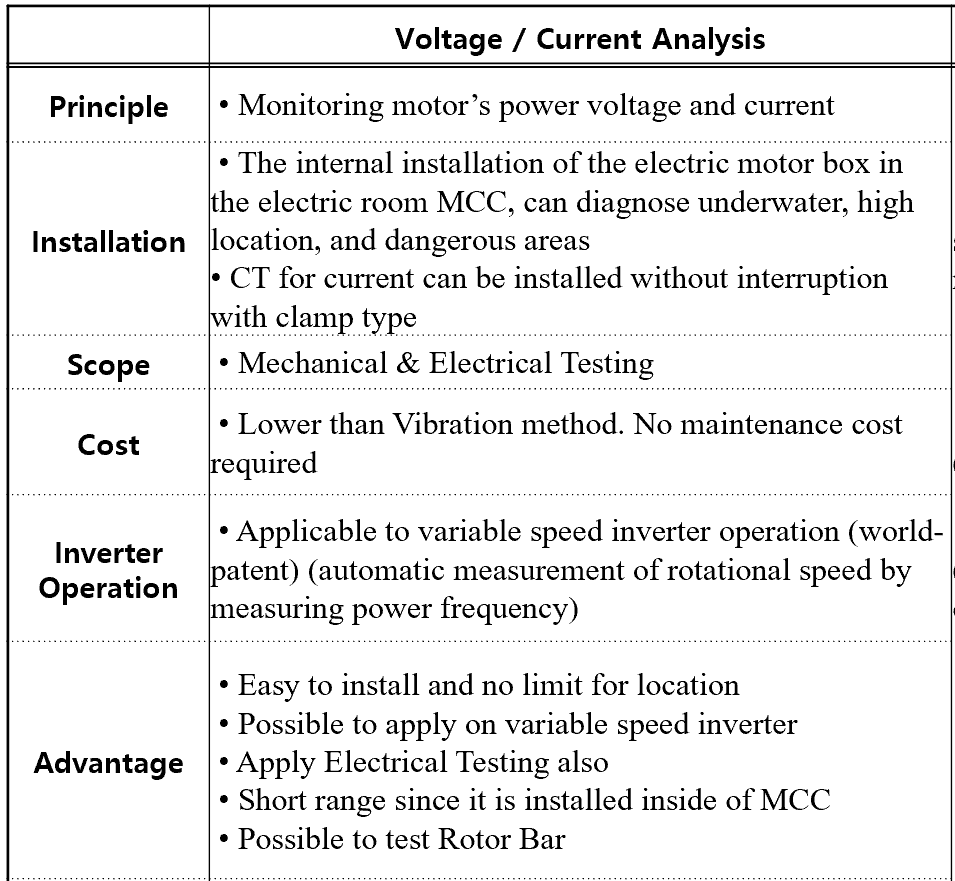
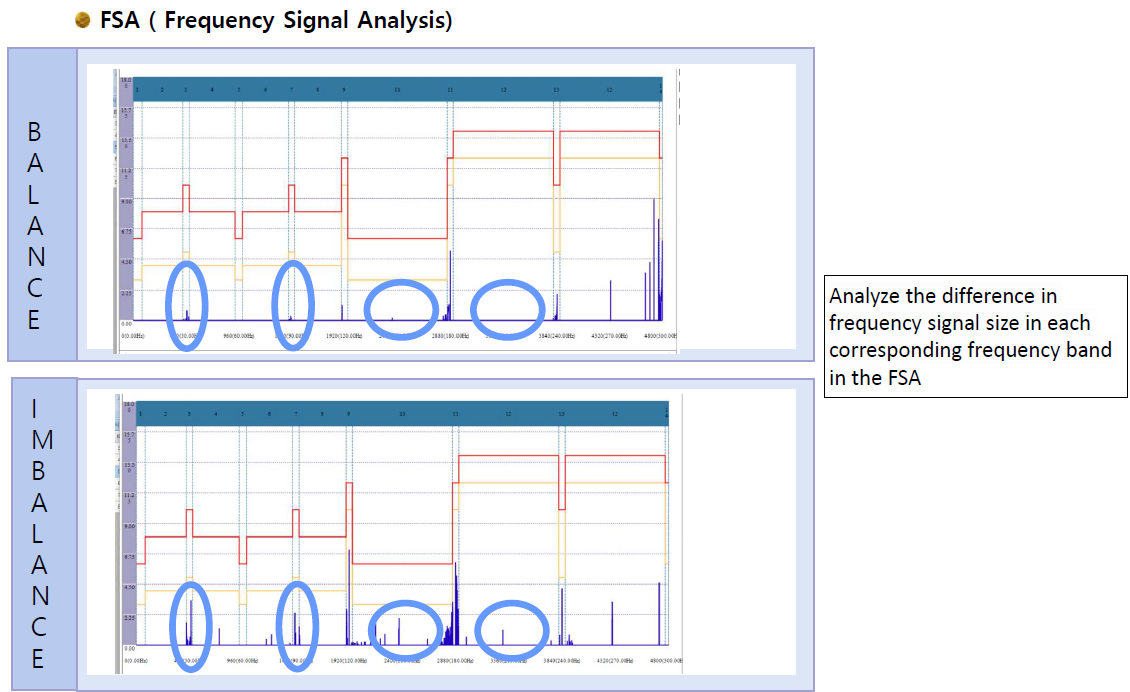
4. Power Quality Analysis (Voltage, Current & Frequency Signals)
5. Auto Diagnostic Vibration Test (Machine Learning + AI + ISO10816 Compliance)
Auto-diagnostic vibration test on rotating machinery is a critical predictive maintenance method that analyzes frequency data (via accelerometers or sensors) to detect, identify, and prevent mechanical failures like unbalance, misalignment, looseness, and bearing defects. Modern systems use AI and machine learning (e.g., Convolutional Neural Networks) to automatically classify, detect, and interpret complex vibration signatures, reducing the need for human analysis.